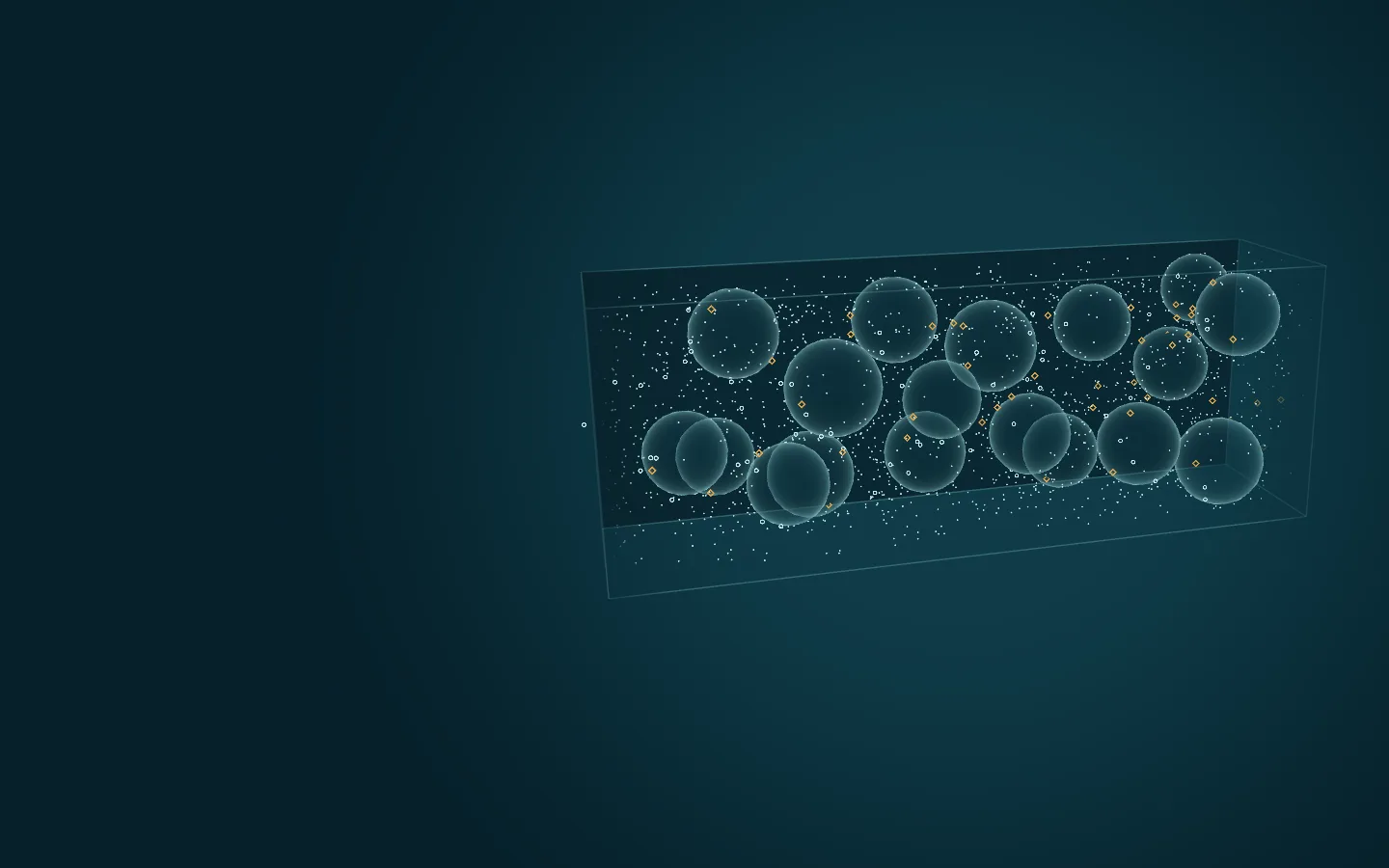
Softening
Hard water flows past the beads. The minerals that cause scale stick to them, and sodium goes into the water in their place.
Hard water leaves scale in pipes, heaters and appliances. A softener swaps the minerals that cause it for sodium.
Chat on WhatsApp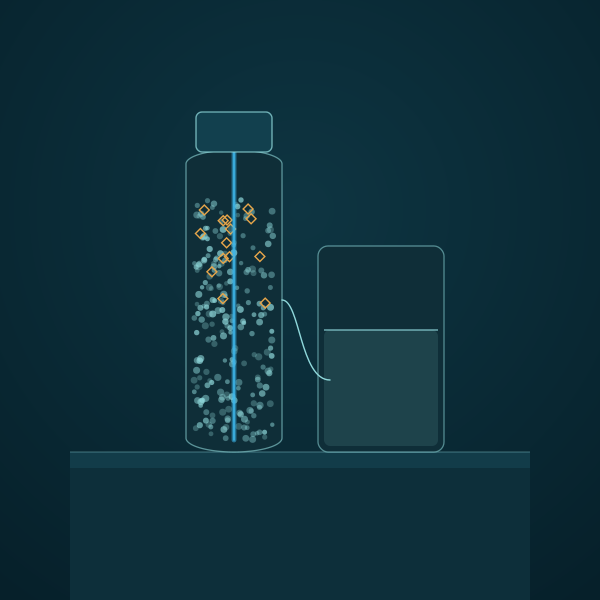

A simplified drawing of resin beads inside a softener, not to scale. Amber hollow diamonds stand for the minerals that cause scale; they stick to the beads as water flows past, and sodium goes into the water in their place. When the beads are cleaned, a salt solution washes the minerals off and carries them to the drain.
Hard water flows past the beads. The minerals that cause scale stick to them, and sodium goes into the water in their place.
A salt solution from the brine tank washes over the beads. It takes the minerals off and rinses them to the drain.
Simplified
Scale is the hard, chalky layer that forms when hard water is heated or dries.
It builds up in kettles, water heaters, pipes, coffee machines and shower heads.
We can test your water. Ask us how it works on WhatsApp
The salt you add to the brine tank is not the same as dissolved salts in water.
It makes a salt solution that cleans the resin beads, and the rinse goes to the drain.
The minerals already in your water. Reverse osmosis is what holds back most of those.
Less scale in water heaters, pipes, taps and showers across the house.
Less scale in coffee machines, ice makers and dishwashers.
Softening sized to the building, for kitchens, laundries and rooms.